
Tire Safety Tips for Fall Driving in Regina
Tire Safety Tips for Fall Driving in Regina
Posted on September 21, 2026
Fall is more than a change in scenery. For drivers in Regina, it is also the perfect time to take a closer look at their tires before colder temperatures, frost and winter weather become part of the daily commute. Tires that performed well through the warmer months may need attention as the seasons change, especially when temperatures begin dropping and road conditions become less predictable.
A few simple checks in the fall can help you spot wear, maintain proper tire performance and prepare your vehicle for the months ahead. From checking tread depth to monitoring tire pressure, here is how to get your tires ready for fall driving in Saskatchewan.
Fall Is Your Tire’s Final Checkpoint Before Winter
Your tires have spent spring and summer dealing with heat, long drives, road debris and plenty of kilometres. Before winter arrives, it is worth taking a few minutes to see how they are holding up.
Start with a visual inspection. Look across the tread and sidewalls for uneven wear, cracks, bulges, cuts or other visible damage. Uneven wear can sometimes indicate an alignment, suspension or inflation issue, so it is worth having anything unusual inspected rather than waiting for it to become a bigger problem. This simple inspection is particularly useful before planning a seasonal tire change or longer fall road trips.
Tread Depth: The Grip Beneath Your Vehicle
Tread is what helps your tires maintain contact with wet roads and move water away from the contact patch. As tread wears down, that ability can decrease, which is why checking tread condition should be part of your fall routine. Look for signs that the tread is becoming excessively worn or uneven across the tire. If one section appears noticeably different from another, have the tires inspected by a professional.
Fall is also an ideal time to think ahead about winter tires. If your current tires are nearing the end of their usable life, replacing them before winter weather arrives can make more sense than waiting until the first major snowfall.
The Pressure Drop You Might Not Notice
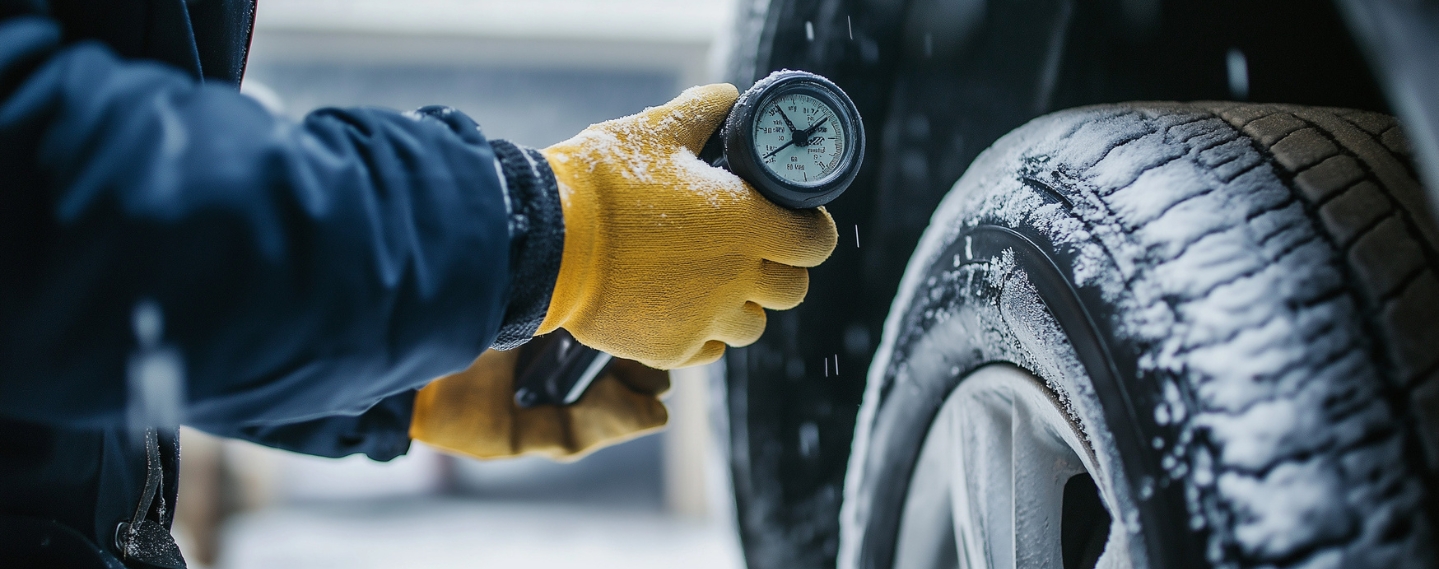
Colder weather can affect tire pressure, making regular checks especially important in the fall. As temperatures drop, tire pressure can decrease, even when there is no puncture or obvious problem with the tire.
Check your tire pressure when the tires are cold and compare the reading with the recommended pressure listed for your vehicle. The correct pressure is not necessarily the number printed on the tire itself. Your vehicle's recommended specification is the one to follow. Keeping your tires properly inflated can support handling, ride quality and even tire longevity. It also gives you a chance to spot a slow leak before it becomes a more serious issue.
Are Your Tires Wearing Evenly?
If your tires have been on the vehicle for an extended period, fall is a good time to check whether they are wearing evenly. Uneven tread wear can show up as heavier wear along one edge, the centre of the tread or in isolated sections.
Regular tire rotation can help promote more even wear, depending on your vehicle and tire setup. Your vehicle's owner's manual will provide guidance on the recommended rotation schedule. If you notice unusual wear despite keeping your tires properly inflated, have the vehicle inspected. Sometimes the tires are simply showing you that another component needs attention.
A Quick Look Can Reveal a Lot
You do not need specialized equipment to perform a basic tire inspection. Before heading out, take a moment to look at each tire. Check the tread, sidewalls and overall condition, and make sure there are no obvious objects lodged in the tread.
Do not ignore changes you can feel while driving, either. New vibrations, pulling to one side or unusual handling can be signs that your tires or another part of the vehicle needs attention.
A professional inspection can provide a more detailed look when something does not seem right.
Know When It Is Time for the Seasonal Switch
One of the biggest fall tire decisions for Saskatchewan drivers is whether to continue with their current tires or prepare for a dedicated winter set. As temperatures fall, tire compounds behave differently. All-season tires are designed for warmer conditions and begin losing traction below 7°C. Winter tires use a softer compound designed to remain flexible in colder temperatures, while their deeper tread patterns and additional sipes are designed to provide grip in snow and slush.
If you use dedicated winter tires, fall is the time to inspect them before installation. Check their tread condition, look for visible damage and make sure they have been stored properly. Getting ahead of your tire change can also help you avoid waiting until winter weather has already arrived.
Do Not Forget the Spare
It is easy to focus on the four tires currently touching the road and forget about the spare. If your vehicle is equipped with one, check its condition and inflation as part of your fall inspection.
A spare that has been sitting unused for months or years still needs to be ready when you need it. Make sure it is properly inflated and accessible, and check that the required changing equipment is also in the vehicle. If your Ford uses a tire repair or mobility system instead of a conventional spare, make sure you understand how it works before an emergency occurs.
Fall Is Also a Good Time to Check Your Alignment
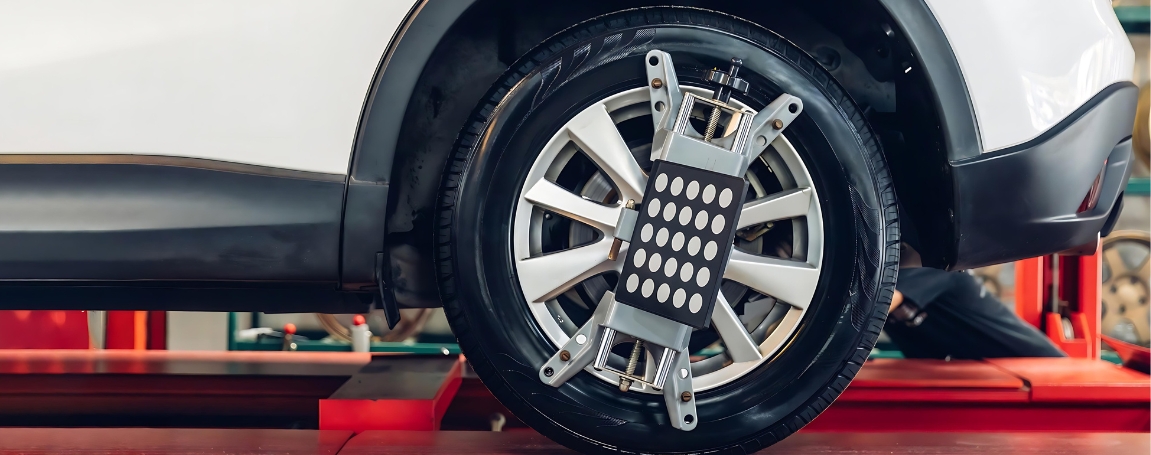
Your tires can reveal more than just their own condition. Uneven wear can sometimes point toward an alignment issue, particularly if the vehicle pulls to one side or the steering wheel does not sit straight when driving on a level road.
Having alignment and suspension components checked when necessary can help protect your tires from premature wear. It can also help ensure your vehicle feels predictable as road conditions change throughout the season. This is especially worth considering after hitting a significant pothole, curb or other road obstacle.
Build a Tire Routine That Carries Into Winter
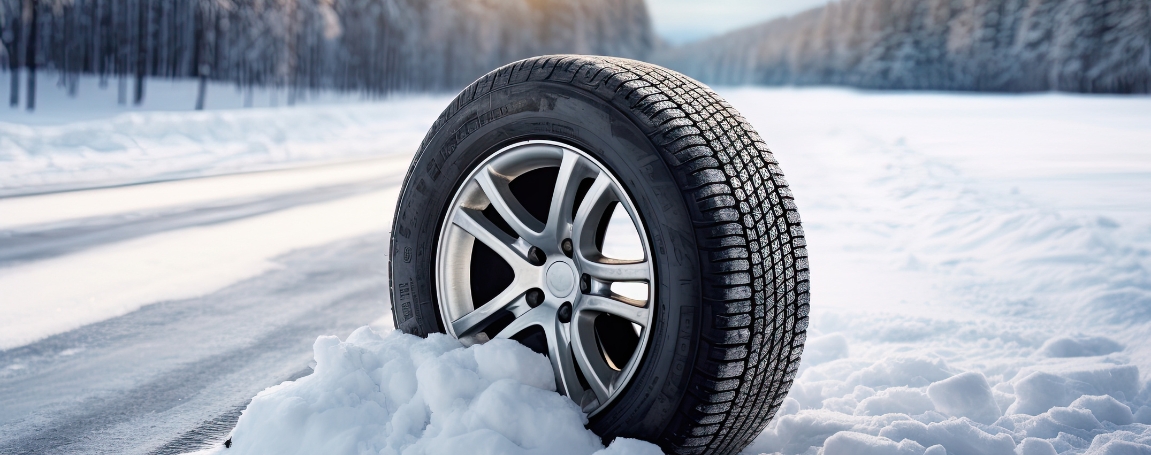
Tire safety does not have to involve a complicated checklist. A few minutes of inspection, regular pressure checks and timely maintenance can go a long way toward keeping your vehicle prepared.
For drivers looking into Ford tire service in Regina, fall is a convenient time to have your tires inspected and discuss whether your current setup is ready for the colder months. It is also a good opportunity to schedule your seasonal tire change before winter conditions arrive. Whether you are commuting around Regina, travelling between Saskatchewan communities or preparing for longer winter drives, paying attention to your tires now can help you start the season on the right track.
Ready for the Road Ahead?
Fall gives Saskatchewan drivers a valuable window to prepare before winter becomes the main event. Checking tread, monitoring pressure, looking for damage, watching for uneven wear and planning your seasonal tire change can all help keep your vehicle ready for changing road conditions.
If your tires need an inspection, rotation, seasonal change or replacement, the team at Bennett Dunlop Ford in Regina, SK, can help you prepare for the road ahead. A little attention in the fall can make a big difference when winter finally arrives.