
Ford Towing FAQ for Regina Drivers
Towing can make a Ford truck or SUV even more useful, whether you are pulling a small trailer for weekend projects, taking ATVs out for an adventure or handling heavier equipment. But choosing the right vehicle and understanding its weight ratings are important steps before you connect a trailer.
This Ford towing guide Canada drivers can use explains the basics in straightforward terms. From towing capacity and payload to GVWR, GCVWR and GAWR, here are answers to common questions about towing in Saskatchewan.
What Ford Vehicles Are Good for Towing?
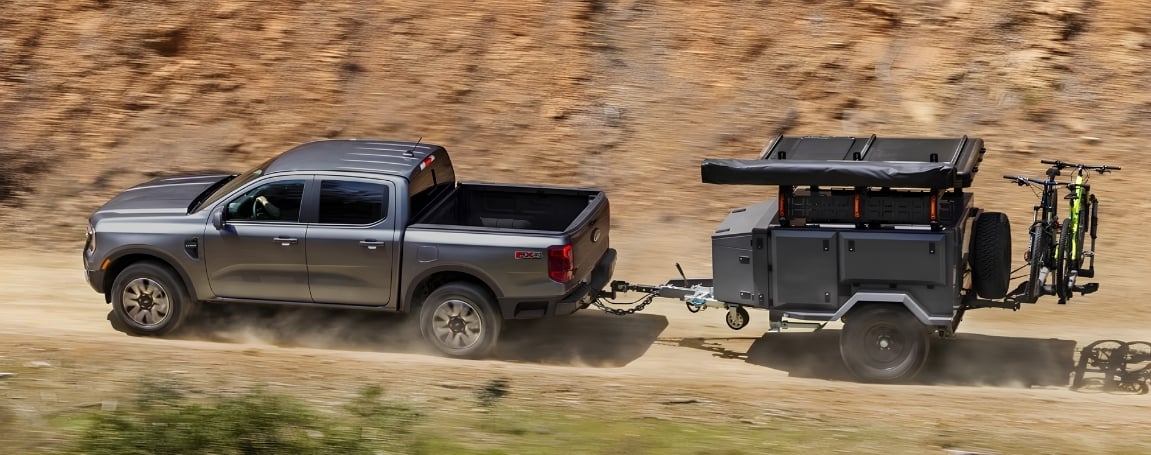
Ford offers vehicles suited to a wide range of towing needs. For lighter loads between 680 kg (1,500 lbs) and 1,814 kg (4,000 lbs), models such as the Bronco Sport and Maverick can be practical choices for pulling smaller boats, trailers, ATVs and similar recreational equipment. For drivers who regularly tow heavier loads, Ford's truck lineup provides additional capability. The right choice depends on the weight of your trailer, cargo and passengers, as well as the specific configuration of the vehicle.
What Is Towing Capacity?
Towing capacity is the maximum weight a vehicle is rated to tow behind it. This includes the trailer itself along with the cargo loaded onto the trailer. Your vehicle's specific towing capacity can be found in the Ford Owner's Manual or on the applicable vehicle information label. Always check the rating for your exact vehicle and configuration before towing.
Is Towing Capacity the Same as Payload Capacity?
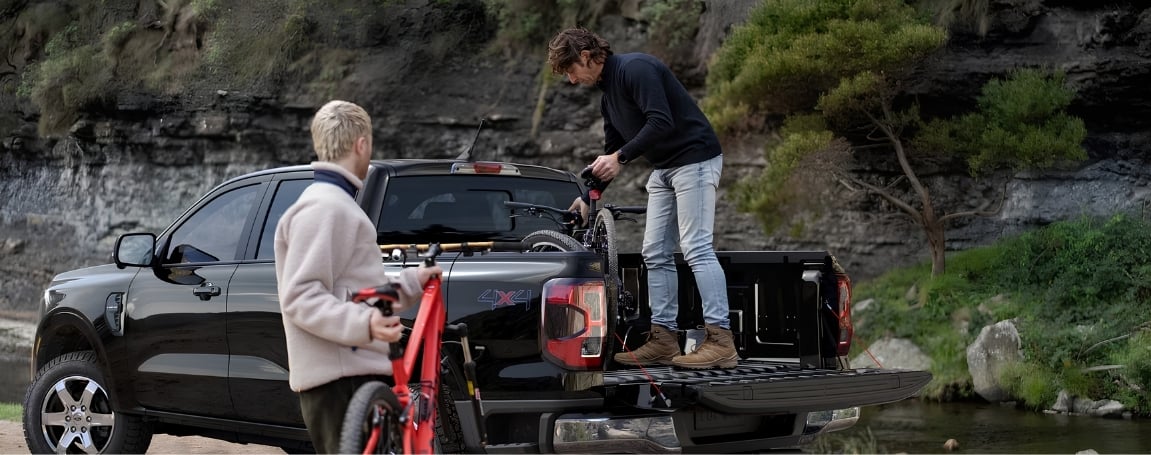
No. Towing capacity refers to the weight your vehicle can pull behind it, while payload capacity is the maximum weight the vehicle is designed to carry inside or on the vehicle. Payload includes passengers, cargo and accessories. As a general calculation, payload capacity is the vehicle's GVWR minus its curb weight.
What Is GVWR?
GVWR stands for Gross Vehicle Weight Rating. It represents the maximum total weight a vehicle is designed to safely carry. This includes the vehicle itself, passengers, cargo, fuel and accessories.
GVWR and towing capacity are related, but they measure different things. GVWR focuses on the total weight the vehicle can carry, while towing capacity focuses on the trailer and cargo being pulled behind it.
What Is GCVWR?
GCVWR means Gross Combined Vehicle Weight Rating. It is the maximum allowable combined weight of the tow vehicle and the trailer, including passengers, cargo, fuel and accessories.
You can find the GCVWR for your vehicle on the Safety Compliance Certification Label located on the driver's side door lock facing or door latch post pillar, or in the Ford Owner's Manual. The label provides the applicable rating in both kilograms and pounds. Knowing your GCVWR helps you determine whether your complete vehicle-and-trailer combination is operating within its designed limits.
What Does GAWR Mean?
GAWR stands for Gross Axle Weight Rating. It is the maximum weight that each individual axle is designed to support. The GAWR can be found on the label inside the driver's side door jamb or in the owner's manual. When loading passengers or cargo, weight should be distributed appropriately between the axles without exceeding the rating for either one.
This is especially important when preparing for trailer towing in White City, SK, or longer trips across Saskatchewan, where the vehicle may be carrying passengers, equipment and other supplies in addition to the trailer.
What Is Curb Weight?
Curb weight is the weight of the vehicle with its standard equipment and required fluids, including a full tank of fuel, but without passengers or cargo. The specific curb weight for your Ford can be found in the vehicle specifications or Ford Owner's Manual. Because curb weight is used when determining available payload, knowing the figure for your exact vehicle is useful when planning a towing setup.
What Is the Difference Between Braked and Unbraked Towing?
Braked towing capacity refers to the maximum weight a vehicle can tow when the trailer has its own brakes. Unbraked towing applies when the trailer does not have its own independent braking system.
A vehicle can handle a heavier trailer when the trailer is equipped with its own brakes because the trailer can contribute to slowing the combination. Always use the appropriate equipment and stay within the towing rating for your vehicle and trailer.
How Do the Engine and Transmission Affect Towing?
Engine horsepower and torque both contribute to towing performance, but they play different roles. Torque helps provide the low-end power needed to get a vehicle moving from a standstill with a trailer attached, while horsepower helps with acceleration at higher speeds, such as when passing on a highway.
The transmission also works harder during towing because it is managing additional weight and resistance. Keeping transmission fluid at the correct level and following the recommended maintenance schedule can help support proper operation. Remember that horsepower and torque are independent attributes and may not be achieved simultaneously.
What Should I Check Before Towing?
Start by confirming the towing capacity, GVWR, GCVWR, GAWR and payload rating for your specific Ford. Then consider the actual weight of your trailer, its cargo, passengers, fuel and any equipment being carried in the vehicle.
It's also important to make sure your hitch and trailer equipment are appropriate for the load. Before setting out, check the trailer connection, safety equipment and lights, and make sure the load is properly distributed. These basic truck towing tips in Regina can help make preparation part of your normal routine, whether you're heading out from Regina, Moose Jaw, White City or Pilot Butte.
What Should I Know About Trailer Weight?
Trailer weight includes the trailer itself and everything loaded onto it. Before towing, make sure the combined trailer and cargo weight stays within your Ford's specific towing capacity. It is also important to account for passengers, cargo and accessories in the vehicle when checking the overall weight ratings. Taking a few minutes to understand the actual weight of your setup can help you stay within the vehicle's rated limits and tow with greater confidence.
Does Towing Affect My Ford's Maintenance?
Towing places additional demands on your vehicle, particularly on the transmission as it works harder to manage extra weight and resistance. Regular maintenance is therefore an important part of towing. Keeping the transmission fluid at the correct level and following the recommended fluid-change schedule can help support proper operation. Before a major towing trip, it is also a good idea to make sure your Ford is properly maintained and ready for the added workload.
How Do I Choose the Right Ford for Towing?
The best Ford depends on what you plan to tow and how often you plan to do it. A smaller vehicle such as the Bronco Sport or Maverick can make sense for lighter recreational loads, while a Ford truck is better suited to drivers with more demanding towing requirements.
If you regularly tow equipment, trailers or recreational vehicles, speak with the team at Bennett Dunlop Ford in Regina, SK. They can help you understand the towing capabilities of different Ford models and find a vehicle suited to your needs.
Tow with Confidence in Saskatchewan
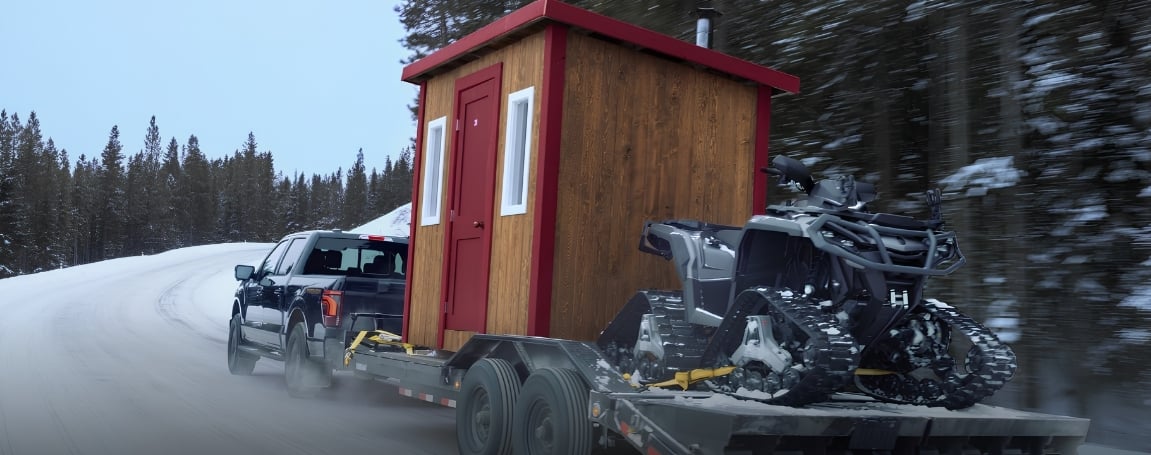
Understanding your vehicle's ratings is one of the most important parts of responsible towing. Whether you're looking at Ford towing in Regina, SK, towing capacity in Moose Jaw, SK, or planning trips throughout the province, knowing your vehicle's limits helps you choose the right setup. When you're ready to explore your options, visit Bennett Dunlop Ford in Regina, SK, and find the Ford truck or SUV that fits your towing plans.