
Winter vs All-Season Tires for Regina Driving
Winter vs All-Season Tires for Regina Driving
Posted on September 21, 2026
When winter arrives in Saskatchewan, the right tires can make a noticeable difference in how confidently you handle the road. Snow, ice, slush and temperatures below freezing can all change the way your vehicle responds, which is why choosing the right tire is an important part of preparing for the season.
But with all-season, all-weather and dedicated winter tires available, how do you know which option makes sense for your driving? Understanding how each tire is designed to perform can help you make a more informed choice and stay prepared for changing road conditions.
Why Tire Choice Matters When Temperatures Drop
The biggest difference between tire types comes down to the rubber compound and tread design. Tires are engineered for specific conditions, and the way they perform can change significantly as temperatures fall.
All-season tires are designed primarily for spring, summer and fall driving. Their harder rubber compound helps extend tread life through warmer months, while their smaller tread blocks help reduce road noise and rolling resistance. However, they begin losing traction below 7°C and are not recommended for winter driving. That is where all-weather and winter tires come into the picture. Both are designed to maintain better flexibility in colder conditions, helping provide the grip needed when Saskatchewan roads become snowy, icy or slushy.
All-Season, All-Weather or Winter: What’s the Difference?
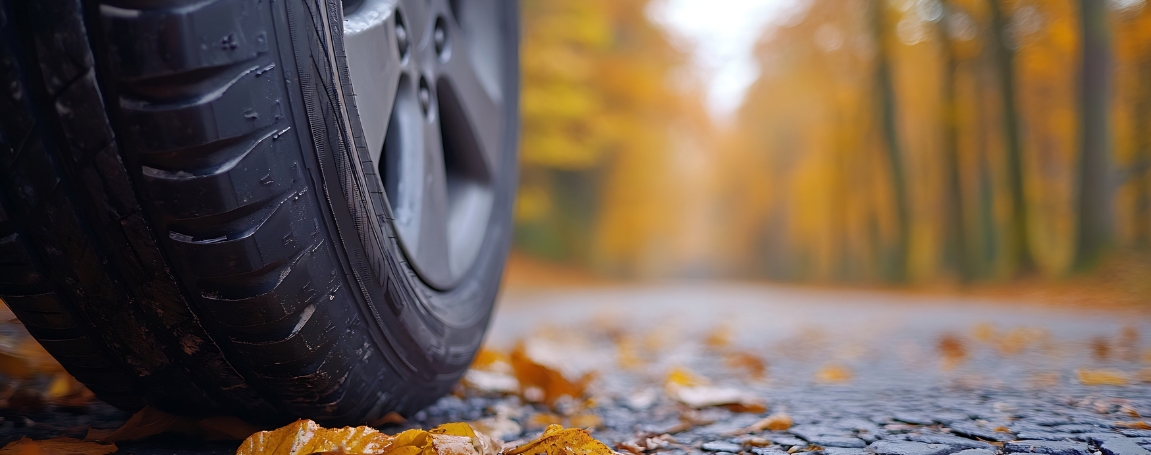
Think of all-season tires as three-season tires. They are a practical choice for dry and wet roads when temperatures remain above the colder range, but their harder rubber compound becomes less effective as temperatures drop below 7°C. All-weather tires are designed as a year-round option. Their rubber compound stays flexible above and below 7°C, while thicker tread blocks help grip snow. Sipes also help move slush and water away from the contact area. This makes all-weather tires particularly useful for drivers who encounter light snow, slush and milder winter conditions but want to keep one set of tires on their vehicle throughout the year.
Dedicated winter tires take cold-weather performance another step further. Their softer rubber compound is designed to remain flexible below 7°C, helping provide better grip, braking and cornering on snow and ice. Deep, chunky tread blocks and numerous sipes help clear snow and slush while maintaining contact with the road. For drivers dealing with particularly icy conditions, studded winter tires are also available. Strategically placed metal studs can provide additional biting grip on ice and freezing surfaces.
The 7°C Rule Is Worth Remembering
If there is one temperature to keep in mind when thinking about winter tires, it is 7°C.
Below this point, the harder compound used in all-season tires begins to lose traction. Winter and all-weather tires are designed to remain flexible in colder temperatures, allowing them to maintain more consistent contact with the road.
This does not mean that every driver needs a dedicated set of winter tires as soon as the temperature drops below 7°C. Instead, it highlights why choosing a tire designed for colder conditions is important once winter weather becomes a regular part of your daily drive. For drivers researching winter tires in Regina, SK, this distinction is especially useful when planning for the changing conditions that come with the season.
How Can You Tell If a Tire Is Winter Rated?
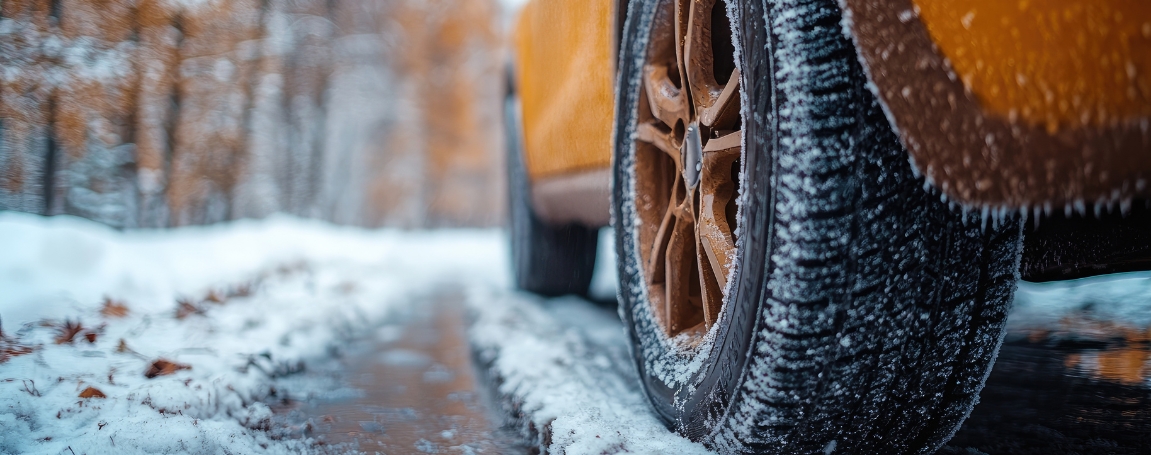
Checking the markings on the sidewall can help you understand what a tire is designed to handle. Two symbols are particularly important when shopping for winter-ready tires in Canada.
The three-peak mountain snowflake symbol identifies tires that have passed traction requirements for winter performance on snow. This symbol can be found on dedicated winter tires as well as qualifying all-weather tires.
The ice grip symbol identifies tires designed to provide enhanced braking and handling performance on ice. Tires carrying this symbol have passed traction tests on icy surfaces. These markings give drivers a quick way to identify tires that have been tested for specific winter conditions rather than simply relying on the word "winter" in a product description.
Which Drivers Can Consider All-Weather Tires?
All-weather tires can make sense for drivers who want one set of tires throughout the year and primarily encounter city streets, highways, light snow and slush. They can also be a practical choice for drivers who experience relatively mild winters and want to avoid the cost and storage requirements associated with maintaining two sets of tires.
Unlike conventional all-season tires, qualifying all-weather tires carry the mountain snowflake symbol, meaning they have passed the required traction testing for winter conditions. For some drivers searching for all season tires in Moose Jaw, SK, an all-weather option may therefore offer a useful middle ground between traditional all-season tires and dedicated winter tires.
When Are Dedicated Winter Tires the Better Choice?
Drivers who regularly encounter heavy snow, hard-packed snow, ice, unplowed roads or consistently severe cold may benefit from dedicated winter tires. This is especially relevant for people who travel outside urban areas, regularly use highways or drive through rural regions where road conditions can change quickly.
Winter tires use an aggressive tread pattern with deep, chunky blocks designed to bite into snow and help move it away from the tire. Their cold-weather rubber compound is also designed to stay soft and flexible even at temperatures as low as -30°C. If your regular routes include rough ice, wet ice or black ice, studded winter tires may be worth considering for their additional grip.
Winter Driving Is About More Than Just Snow
It is easy to think of winter tires as being useful only when there is several centimetres of snow on the ground. In reality, winter driving can involve many different surfaces throughout the same trip.
A morning commute could include dry but freezing pavement, followed by packed snow, slush and an icy intersection. Temperatures can also fluctuate considerably, creating different conditions from one day to the next. That is why the best tires for Regina winters should be selected based on your typical driving conditions rather than simply how much snow you expect to see. Consider where you live, how far you drive, whether your routes are plowed and whether you regularly travel outside the city.
Prepare Your Vehicle Before Winter Arrives
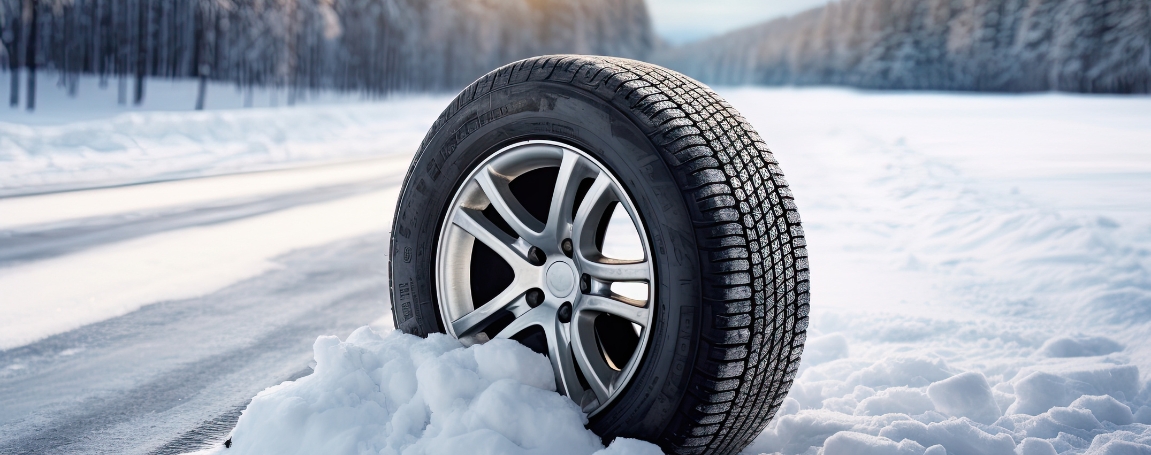
Choosing the right tires is only one part of getting ready for winter. Before the season settles in, it is worth checking your tires and planning your seasonal tire service before appointments become harder to find.
Drivers arranging winter tire service in White City, SK, or a tire change in Pilot Butte, SK, can also use the opportunity to have their tires inspected for tread condition and overall wear.
If you already have a dedicated set of winter tires, planning ahead can make the seasonal changeover easier and ensure your vehicle is ready before the first major snowfall.
Making the Right Choice for Saskatchewan Roads
There is no single tire that is perfect for every driver. All-season tires are designed for warmer three-season conditions, all-weather tires provide a year-round option with winter capability, and dedicated winter tires are built specifically for cold temperatures, snow and ice.
For drivers who regularly face heavy snow, ice and extreme cold, dedicated winter tires can provide the specialized performance those conditions demand. For those who encounter lighter snow and slush and prefer one tire set year-round, all-weather tires can be a practical alternative.
Ultimately, understanding the difference between winter vs all season tires lets you choose based on how and where you drive. When you are ready to prepare your vehicle for the season, talk with the team at Bennett Dunlop Ford in Regina, SK, about your tire needs and get ready for Saskatchewan winter driving with confidence.